Karolina Vicente Guerrero
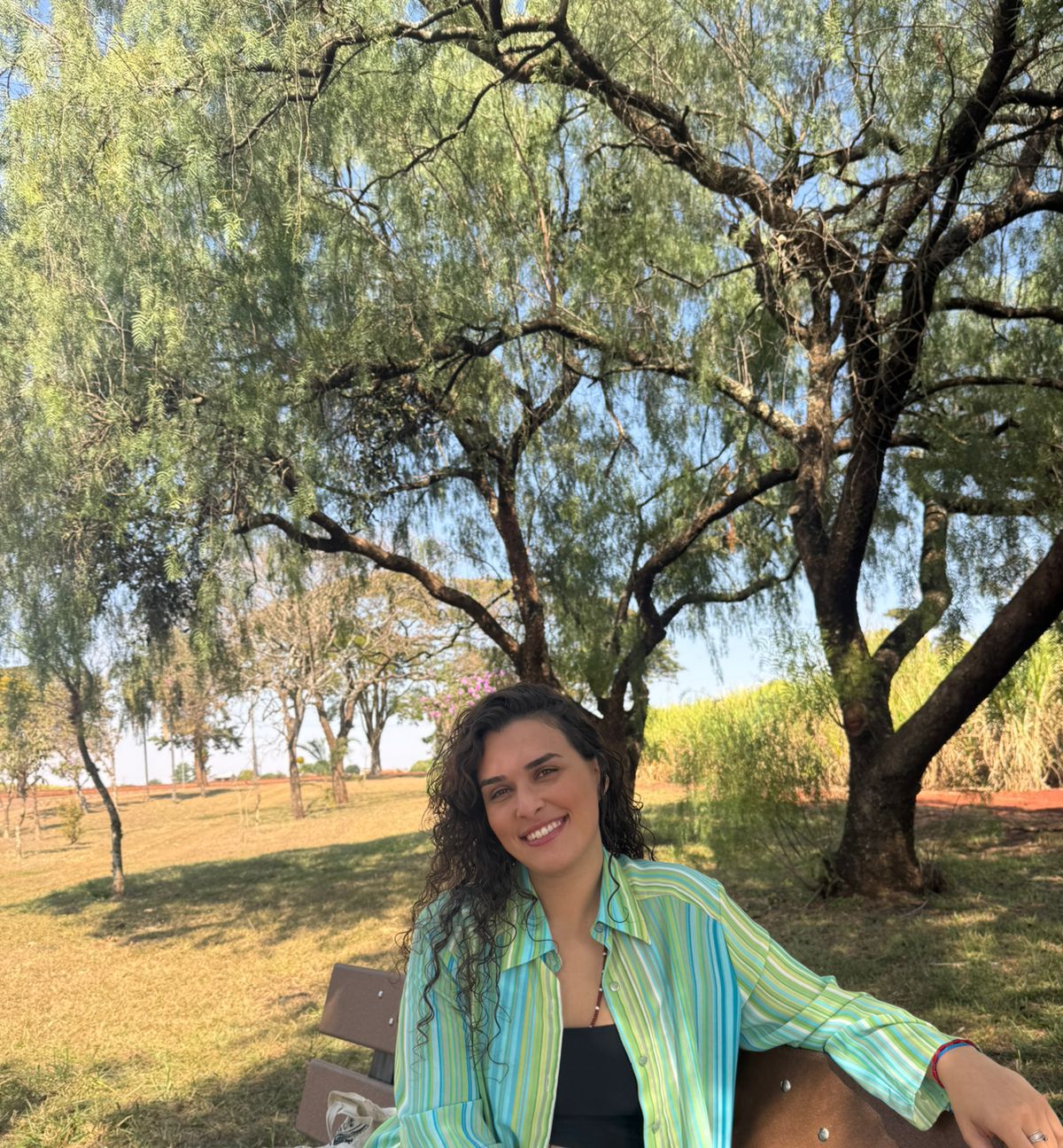
Karolina Vicente Guerrero is a Brazilian student of Agroecology at the Federal University of São Carlos (UFSCar). Her academic and professional career demonstrates a strong commitment to agroecology, environmental justice, sustainable food systems, the empowerment of rural women, and traditional communities and peoples. Through her extension activities, she has acquired expertise in agroecological transition, silvopastoral systems, and the incorporation of ecological principles into conventional agricultural practices that promote sustainable rural development.
As an extension worker and researcher, Karolina has collaborated closely with family farming families, communities, and traditional peoples through the projects she has worked on, supporting initiatives that integrate scientific knowledge with local practices and participatory methodologies. Her role includes facilitating and articulating dialogues between academia and society, promoting agroecological practices, and advocating for youth participation in the construction of technically qualified, socially fair, and economically viable rural development that aims to promote dignity in the countryside. Karolina’s work highlights the intersections between agroecology and the fight against hunger and, consequently, social justice. She recognizes the importance of combating environmental racism and supporting policies that guarantee the rights of traditional peoples and communities historically marginalized in Brazil’s rural development process. Her mission-driven work is rooted in building equitable and sustainable rural futures, where local knowledge and scientific research can complement each other in addressing food insecurity, biodiversity loss, and the triple planetary crisis.
Her participation in national and international dialogues, including the preparations for COP 30, demonstrates her commitment to promoting agroecology, sustainable practices such as bioinputs, and amplifying the voices of rural youth and communities often marginalized in national public policymaking processes. She advocates for the institutionalization and integration into agricultural science curricula of extension programs, such as Profor-EXT, which promote the resilience of family farming, communities, and traditional peoples through participatory and inclusive approaches and the development of well-structured methodologies, articulating participatory teaching, research, and extension.
Looking to the future, Karolina aims to continue advancing agroecology as both a scientific field and a political tool for change, contributing to agroecological transitions and the strengthening of organic agriculture. She envisions agricultural systems that, in addition to generating food, also restore ecosystems, preserve cultural heritage, combat hunger, and foster social and climate justice. Her long-term goal is to help create inclusive public policies that ensure climate resilience, protect biodiversity, and guarantee the dignity of rural communities and traditional peoples both in Brazil and abroad.